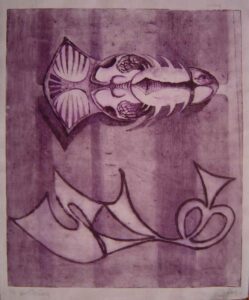
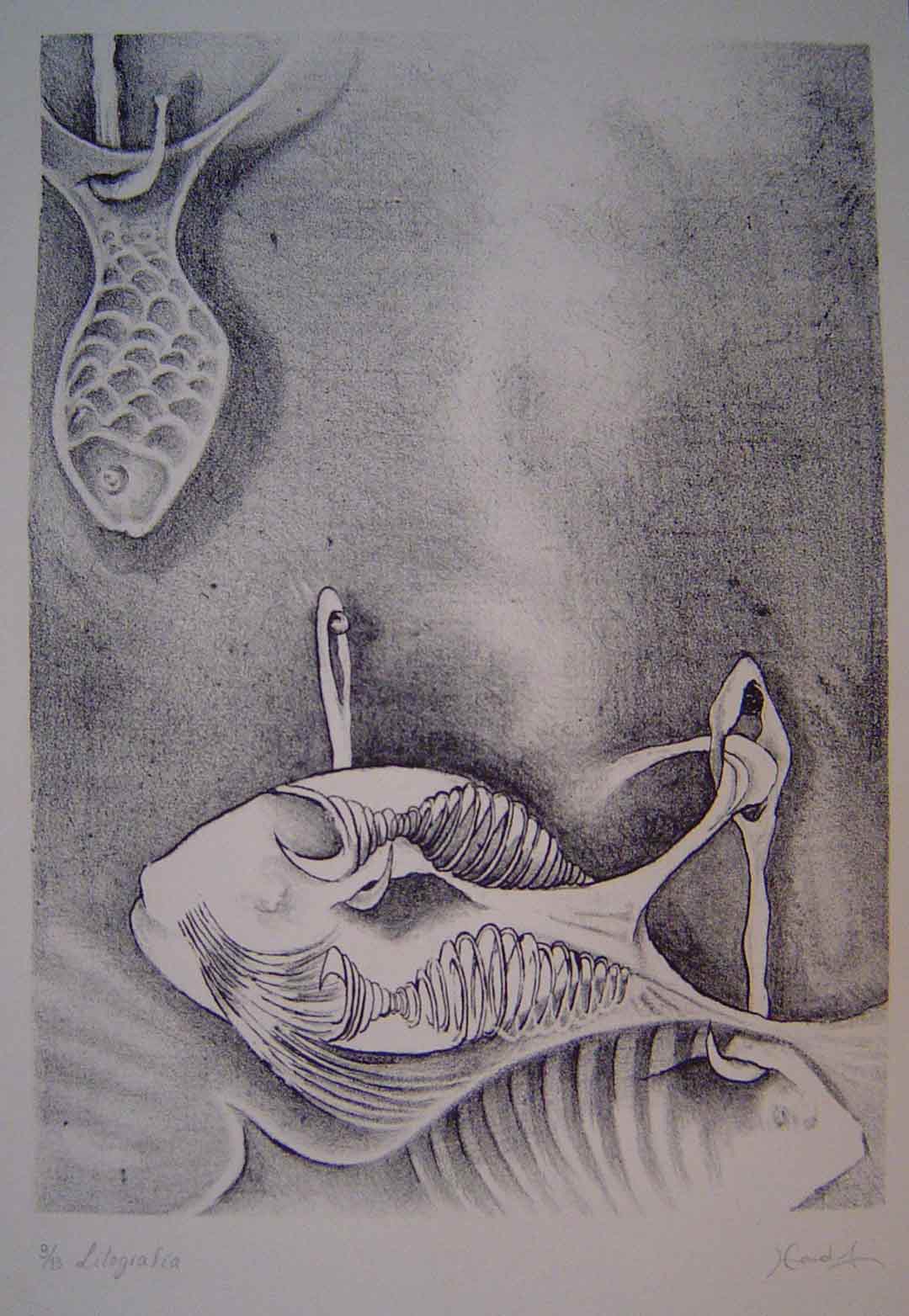
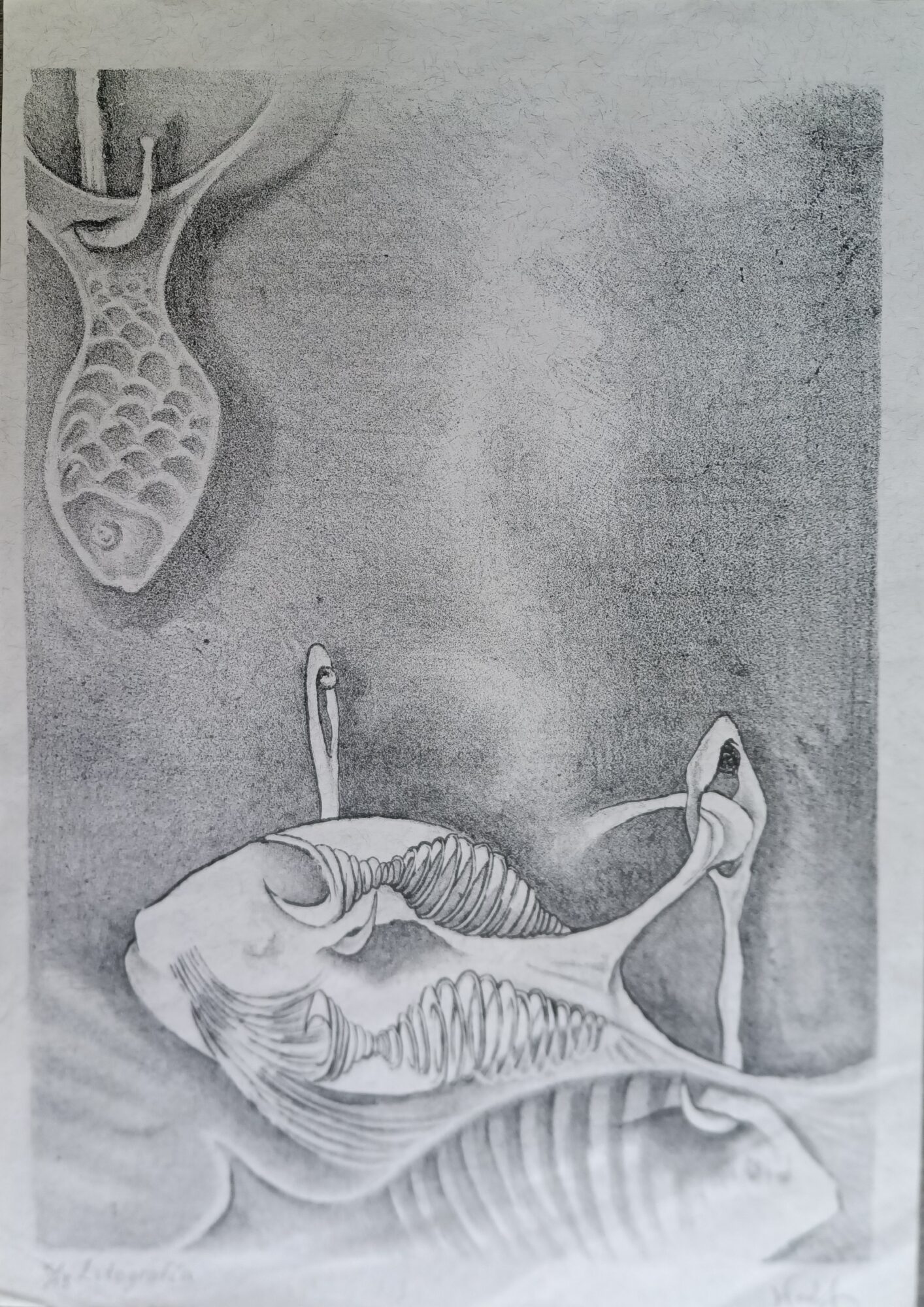
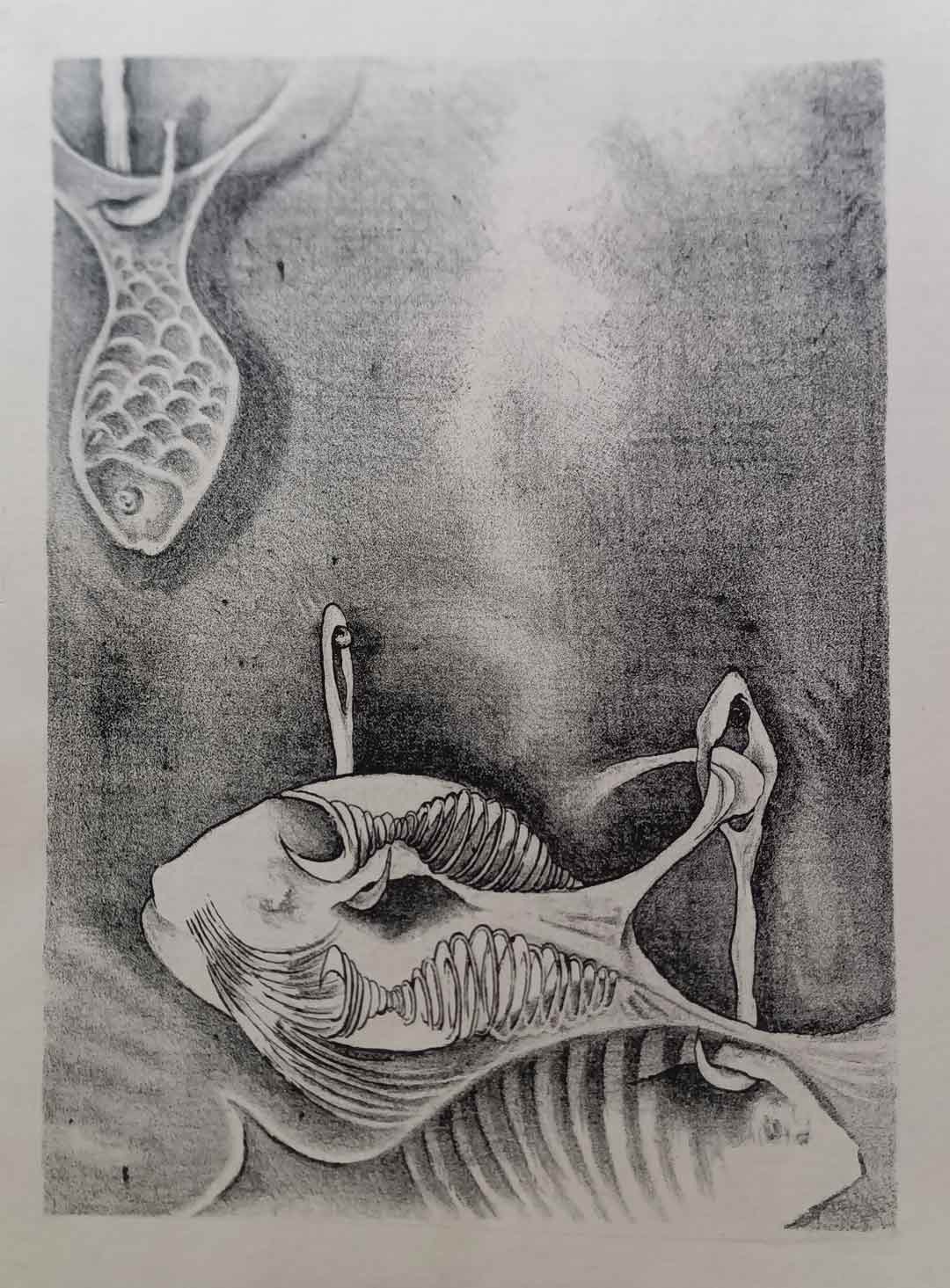
Lithography
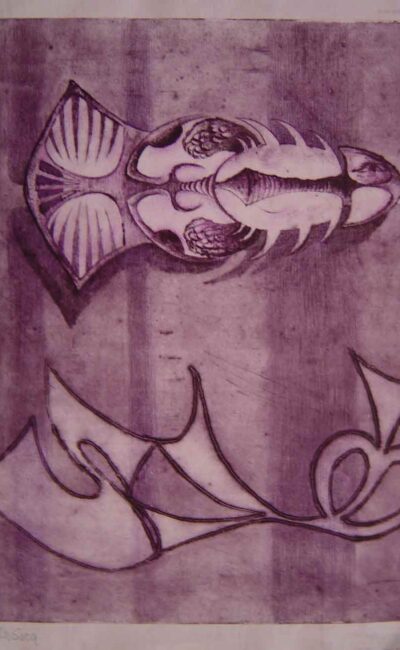
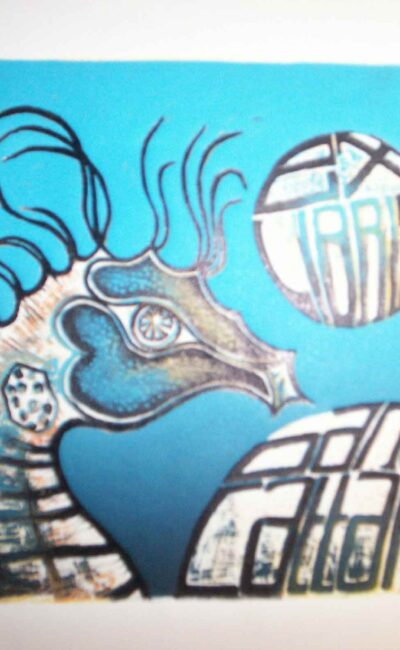
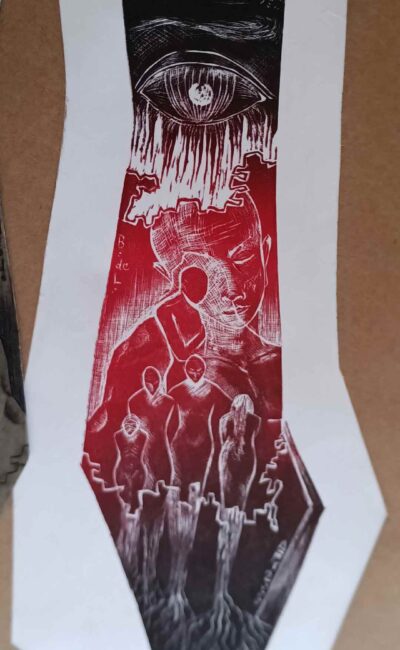
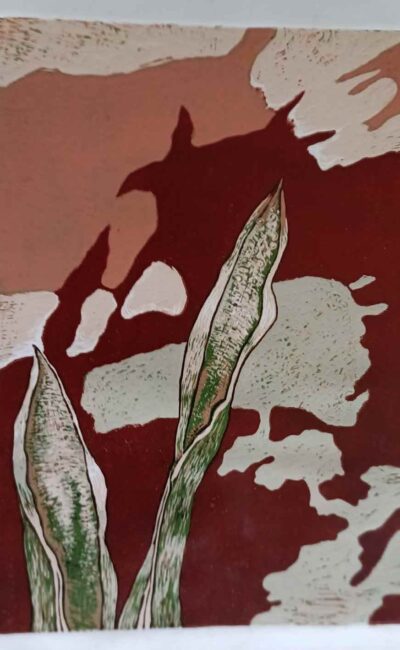
Printmaking is an artistic technique that involves drawing or carving an image onto a rigid surface, known as a matrix, and then transferring that image onto another surface, usually paper, through a printing process. It is one of the oldest forms of image reproduction.
Main characteristics of printmaking:
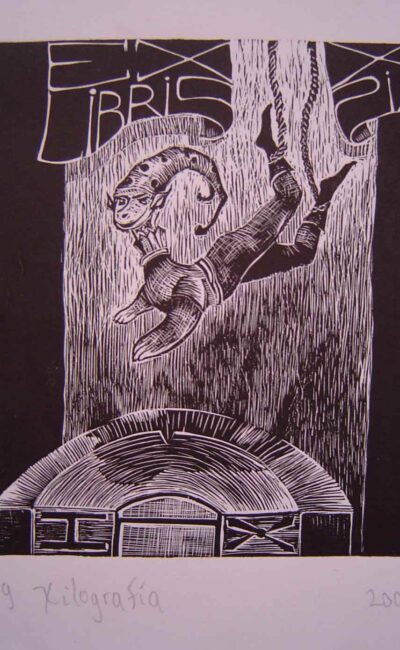
Matrix: can be made of metal (such as copper or zinc), wood, linoleum, stone, or even synthetic materials.
Inking: ink is applied to the worked matrix.
Printing: the image is transferred to paper by pressure, using a press or manually.
Multiplicity: allows for multiple copies of the same design, called prints or impressions.
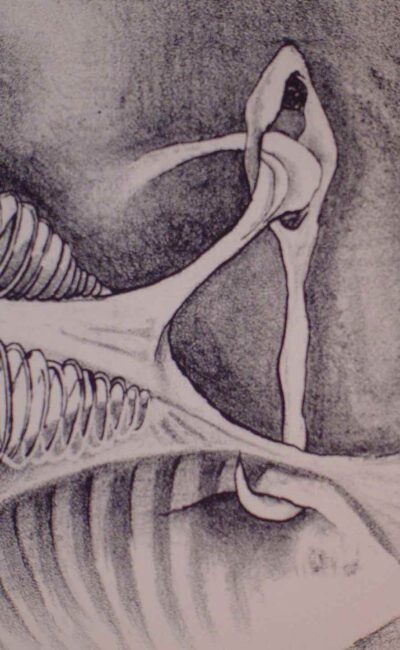
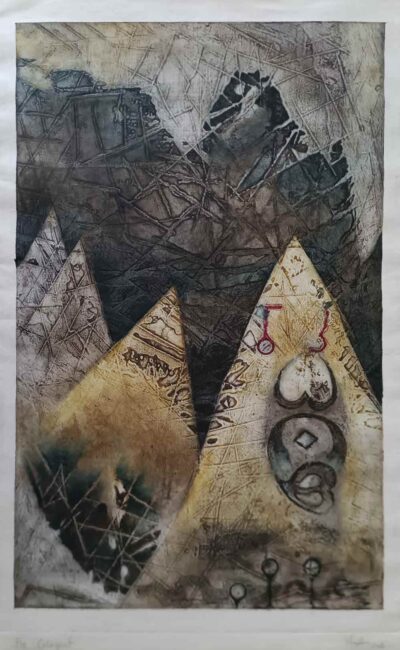
Lithography is a planographic printmaking technique based on the principle that water and grease repel each other. It was invented in the late 18th century by Alois Senefelder. In this technique, the artist draws directly onto a polished limestone surface (or a specially treated metal plate) using greasy pencils or inks.
The surface is then chemically treated so that the drawn (greasy) areas attract the printing ink, while the non-image (wet) areas repel it. When the plate is inked and pressed onto paper, the image is transferred with high fidelity to the original drawing.
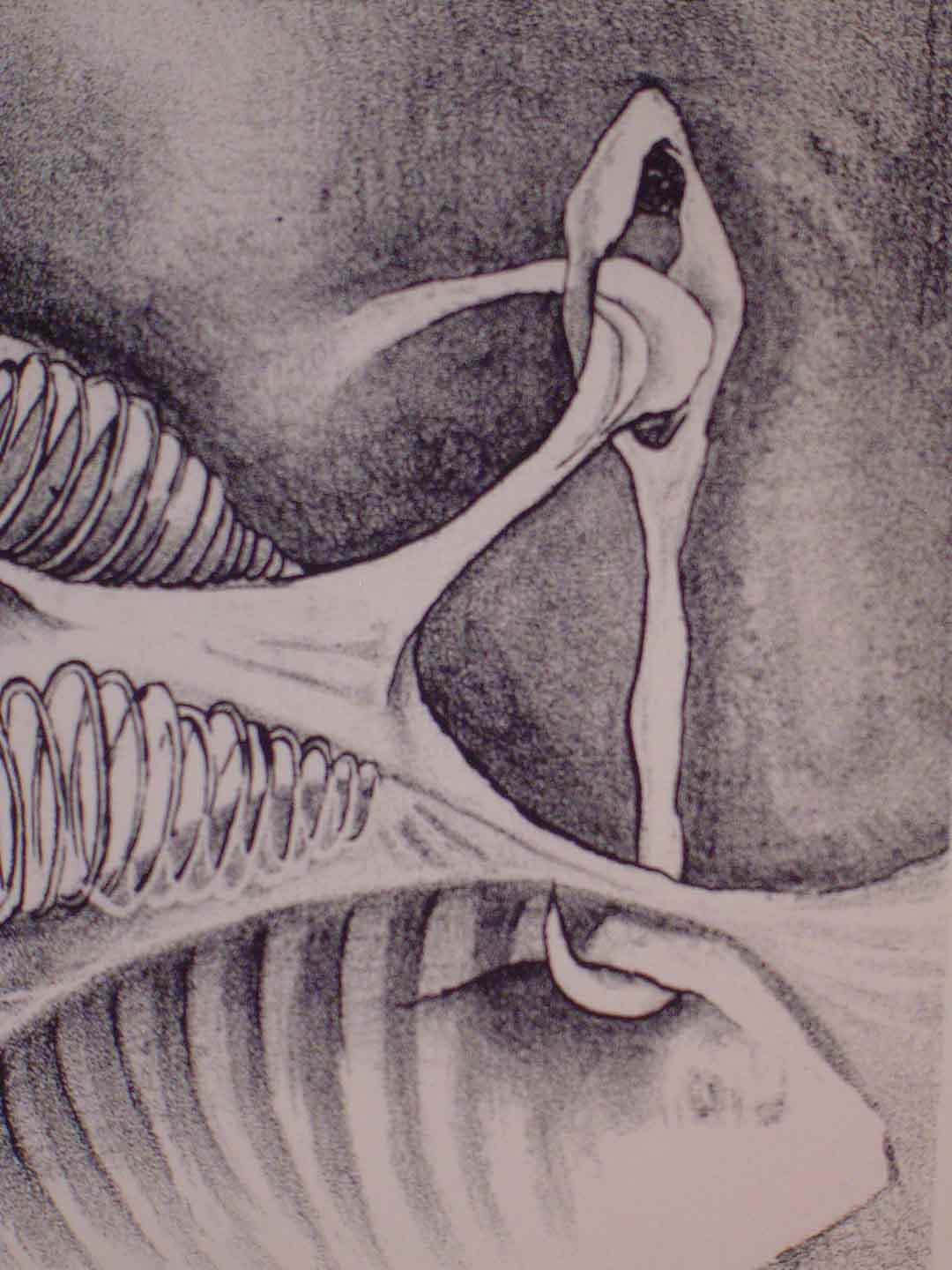
Lithography allows for a wide range of tones and fine detail and is especially valued for its close resemblance to hand-drawn lines.