Biography of Hoda Tahzib

Childhood in Iran (1978–1980)

In the city of Sari, located in the province of Mazandaran in northern Iran on the shores of the Caspian Sea, Hoda Tahzib Roshani was born on Tuesday, February 28, 1978. This date corresponds to the 20th of Rabi’ al-Awwal, 1398 in the Islamic calendar, and the 9th of Esfand, 1356 in the Persian calendar. The daughter of Vafa and Rouhollah, she was raised in a Bahá’í family deeply devoted to their faith.

From a very young age, Hoda was remembered for her intense gaze and sharp sense of observation. Her maternal aunt, who was just 14 years old at the time of Hoda’s birth and cared for her in those early days, described her as a child with beautiful, expressive eyes who seemed to absorb everything around her with quiet attentiveness. That sensitivity—evident even from the cradle—would stay with her throughout her life, reflected in her art, in the way she related to others, and in the depth of her spirituality.

The Islamic Revolution of 1979 had a profound impact on her family’s life. As members of the Bahá’í community—a religious minority harshly persecuted in Iran—they faced significant danger and uncertainty. The wave of persecution reached them while they were visiting England, and it was there that they made the decision not to return to their homeland. Thus began their life in exile, when Hoda was still a young child.

Emigration and Early Years Outside Iran (1980–1990)

Due to religious persecution, the family was forced to emigrate to Argentina after spending a few months in England, where her sister Neda was born. Those years of exile were marked by loss, uprootedness, and the effort to rebuild a new life—but also by tenderness and mutual support. The entire maternal side of the family was able to reunite in Argentina, initially settling between Granadero Baigorria and Rosario. Over time, each family unit established itself in different communities across the South American country. Hoda always remembered her early childhood center (daycare) in Granadero Baigorria, called Ardillitas. She recalled her little classmates and the neighborhood they lived in—so vividly, in fact, that she reconnected with some of them in her youth.

During this time, Hoda began to develop an introspective and generous nature. Though she spoke little, her actions carried a depth that did not go unnoticed. This trait—a quiet yet profoundly engaged presence—would become a defining characteristic of hers throughout her life.

Childhood and Adolescence in Argentina (1990–1996)

The family later settled in Mendoza, Argentina, where Hoda spent her childhood and teenage years. She attended primary school at Escuela Hipólito Yrigoyen. She began her secondary education at the Liceo Agrícola, but by her third year, she felt it wasn’t the right fit for her. With the support of her mother, she underwent a series of vocational assessments, which clearly revealed her creativity and artistic talents. It was then that she decided to transfer to the School of Fine Arts, where she was able to fully express her aesthetic sensitivity and passion for art.

From a young age, Hoda demonstrated a deep commitment to serving her community. She taught spiritual classes for children in underprivileged neighborhoods of Mendoza, a task she carried out with tenderness, dedication, and a strong sense of responsibility. Her devotion led her to join the National Committee for Children’s Classes, and later, the National Youth Committee (NYC) of the Bahá’í community of Argentina.

In 1996, she took part in the Youth Conference held in Santa Cruz de la Sierra, Bolivia—an event that marked a turning point in her spiritual life and her approach to community service.

Following that experience, she joined the Faizi Project (1996), a Bahá’í service initiative based in Santa Cruz de la Sierra, focused on accompanying and strengthening local communities through educational, spiritual, and cultural activities. Hoda lived there for several months, working alongside other young people from various countries. Her work included teaching children’s classes, coordinating activities for junior youth, facilitating study circles, and supporting the institutional development of the community. It was a period of intense learning, challenges, and personal transformation. Though material conditions were modest, the spiritual experience was deep and enriching. The daily life shared with other youth dedicated to service left an indelible mark on her heart, solidifying in her a clear vision of the transformative power of community action grounded in spiritual principles.

Youth and Higher Education (1997–2003)

In her role within the National Youth Committee (NYC), Hoda actively collaborated with youth committees in Brazil, Bolivia, and Paraguay. Her involvement in the preparation and organization of the Youth Conference in Paraguay, held in February 2000, was especially significant. Although she was unable to attend the event in person, she contributed extensively during the planning and coordination stages, demonstrating her strong commitment and collaborative spirit.

In 2000, Hoda enrolled in the Faculty of Arts and Design at the National University of Cuyo, where she earned a degree in 2007 as a University Professor of Visual Arts. At the same time, she was pursuing a Bachelor’s degree in Visual Arts with a specialization in Printmaking. During this period, she participated in an academic collaboration alongside three or four fellow students and her Art History professor, conducting an architectural and artistic survey of the buildings and churches of the Jesuit Missions of Chiquitos in Bolivia. This fieldwork, carried out over several days, documented historical and artistic elements of great cultural significance.

During these years, Hoda solidified her identity as both an artist and an educator. She worked as a Visual Arts teacher, specializing in printmaking, print techniques, and painting. She developed a notable teaching career in primary schools and university extension programs in Mendoza. Her dedication led her to actively engage in educational, cultural, and community projects in Argentina, Bolivia, Chile, and Colombia—always guided by a deep social and spiritual vocation.

She also gained experience in pedagogical management, research, and teacher training, with an approach focused on serving the common good. She served as an assistant in the course “Media and Communication,” and contributed as a pedagogical guide, speaker, juror, and coordinator of artistic activities. In 2003, she participated in the stage design for Mendoza’s iconic Fiesta de la Vendimia (Grape Harvest Festival), where she also performed as a dancer and actress—integrating the performing arts into her broad training and artistic sensitivity.

She gained experience in educational management, research, and teacher training, always focused on service to the common good. She was a teaching assistant in the Media Studies course and contributed as a pedagogical guide, presenter, juror, and coordinator of artistic activities. She also participated in stage design and was an active member of the local Bahá’í community.

Teaching Commitment and the Passing of Her Mother (2005–2007)

In 2005, Hoda began working in the program Aulas para el Tiempo Libre, where she taught printmaking. Her teaching approach—marked by empathy, attentive listening, and sensitivity—created deeply human spaces for artistic expression, where learning was intertwined with emotional support.

That same year, she endured one of the most significant losses of her life: the passing of her mother, Vafa, after a long illness that lasted four years. Throughout that time, Hoda accompanied her tirelessly, traveling to different cities in search of an accurate diagnosis. Eventually, the illness was identified, and although surgery granted her a bit more time, the gradual deterioration proved inevitable. On November 1, 2005, Vafa passed on to the spiritual worlds. The profound bond between mother and daughter—rooted in affection, faith, and service—left an indelible mark on Hoda’s heart.

Despite the grief, Hoda continued her university studies, her work with Aulas para el Tiempo Libre, and remained part of a Contemporary Dance group. She often mentioned that, despite the deep sorrow, it was the most artistically fulfilling period of her life.

Teaching, Marriage, and Service in Chile (2009–2011)

During 2009 and 2010, Hoda worked as an Art Education teacher at School No. 0-147 Bartolomé Mitre and School No. 1-565 General Patrocinio Recabarren. At both institutions, she left a lasting impression—not only through her creativity and artistic skill but also through her deep commitment to the realities and needs of her students.

At the same time, from 2009 to 2011, she served as a member of the Auxiliary Board of the Bahá’í community, supporting Bahá’í communities across various provinces in northwestern and southern Argentina. Together with her assistants, she organized gatherings and activities aimed at strengthening the foundations of community life: children’s classes, junior youth programs, study circles, and devotional meetings open to all. This service was a reflection of her deep conviction in the transformative power of spiritual education and collective action.

On December 18, 2009, Hoda married Marcos in a civil ceremony in Mendoza, followed by a Bahá’í ceremony held in Valle del Sol at the foothills of the Andes. It was a weekend-long celebration with family and friends, remembered for its natural beauty, spiritual atmosphere, and joyful spirit.

A few years after their wedding, Hoda and Marcos moved to Chile to support the community-building project surrounding the Bahá’í House of Worship for South America, located in Peñalolén. There, they served as members of the Local Spiritual Assembly of Peñalolén. Later on, Hoda was appointed to the Continental Temple Committee for the South American Bahá’í Temple by the Bahá’í World Centre, taking on a continental responsibility related to the temple’s spiritual and community development.

Illness, Drazen’s Birth, and Service in Spain (2013–2020)

In 2013, shortly after arriving in Spain, Hoda was diagnosed with melanoma. Although the couple had not initially planned to settle permanently in the country, the diagnosis changed their course. They remained in Spain due to the medical protocol, which required a ten-year follow-up. As a result of this situation, Hoda obtained residency on humanitarian grounds and secured employment in Girona with the support of a local family.

After several surgeries, Hoda was declared free of the disease. In the years that followed, she continued with regular medical checkups. Between 2014 and 2016, she and Marcos lived in Girona, a period both described as very special. They fell in love with the city’s medieval charm and formed lasting friendships. They served actively in the Bahá’í community, both as members of the Local Spiritual Assembly of Girona.

During the summer of 2016, while staying at Neda’s home, Hoda began experiencing persistent nausea. Marcos and Neda suspected a possible pregnancy, and their suspicion was confirmed with a positive test. Since Hoda was 38 at the time, the pregnancy was considered high-risk. The nausea continued throughout, though vomiting was infrequent.

The first-trimester ultrasound confirmed that the baby was developing well and would be a boy. The couple then began an extensive search for a name, reviewing more than 2,000 options while avoiding common ones. Finally, on the day of the birth—March 27, 2017—when the nurse asked for the baby’s name, they looked at each other and answered with emotion: “Drazen.”

Labor lasted 22 hours, from early morning until 11 p.m., when Hoda, encouraged by the midwife, brought her son into the world with her own hands. Marcos had filled the delivery room with 1980s music. Drazen was born without crying, eyes wide open, already searching to nurse. For the couple, it was a complete transformation: they were no longer two, but three.

After their time in Girona, the family lived together from 2016 to 2019 in the town of Blanes, also in the Girona province, where they dedicated themselves primarily to Drazen’s early years. Although this period focused on parenting, Hoda remained actively involved in service as a member of the Regional Training Institute Board, which allowed her to participate in various meetings and gatherings in nearby areas.

Between 2015 and 2018, Hoda served on the organizing committee of the Summer School at the Bahá’í Centre in Llíria, Valencia. During those years, she was deeply involved in planning talks and selecting speakers for events that brought together over a hundred participants. Notable guests included Mr. Hooper Dunbar, among many other Bahá’í figures from diverse areas of service. Hoda not only organized but also led workshops and gave her own talks, enthusiastically sharing her experiences and insights.

In October 2019, the family settled in Sabadell. Just a few months later, in March 2020, the COVID-19 pandemic arrived, transforming community life entirely. Hoda, with her spirit of service undiminished, found new ways to continue contributing even during lockdown. She actively participated in online spaces, offering spiritual support, workshops, and training sessions via video calls. She also continued her role on the Regional Training Institute Board, helping adapt efforts to sustain study and service from home. Her ability to connect with others and support educational and spiritual processes—even virtually—was deeply appreciated.

Final Years, Illness, and Legacy (2023–2025)

In 2023, Hoda worked at a local gym. She served as a member—and later as secretary—of the Regional Training Institute Board for Eastern Spain. At Drazen’s school, Joaquim Blume, she was a member of the parent board (AFA – Family Association of the School), a key figure in bringing families together, widely recognized as the “glue” that connected everyone with warmth and empathy.

In 2024, during a routine medical checkup, lumps were found in her abdomen. Scans and biopsies confirmed that melanoma had returned, twelve years after the initial diagnosis—a very rare occurrence. Hoda began immunotherapy treatments, which initially showed promising results. However, the side effects were harsh, especially during July and October of 2024.

She also agreed to undergo radiotherapy sessions to slow the disease’s progression. Eventually, as the illness continued to advance, she was classified as terminal. Hoda faced this final stage with courage and serenity, focusing her attention on making the most of her time with loved ones, especially Drazen.

She was supported by both her maternal and paternal families, who traveled from Argentina, Puerto Rico, Australia, Scotland, and England to be by her side—helping to ease the burden on her husband and son. Hoda chose to receive care at home through the palliative care system. Her doctor, nurse, and social worker visited regularly. Equally vital was the support of her friends from work, school, and the neighborhood, who provided care, companionship, and affection.

On the morning of March 15, 2025, Hoda fell into a coma. Throughout that day, many friends and children came to visit her. At 11 p.m., surrounded by her closest family, she passed on to the spiritual worlds. Her husband and son bid her farewell with kisses, caresses, and loving words. She will be remembered as a true Bahá’í: generous, kind, tolerant, and understanding. Her life was a shining example of authenticity, dedication, and service—summed up in the phrase with which she was lovingly farewelled:

“Live your life in such a way that those who laughed when you were born will weep when you die, while you smile.”

Chronological List of Educational, Academic, and Professional Activities

1998

Assistant in the research project “History of the Painting Workshop at the National University of Cuyo”, within the framework of Latin American Art Historiography, under the direction of Prof. Silvia Benchimol, Faculty of Arts, UNCuyo.

Member of the Coordinating Group for the project “Youth Leadership for Service to the Common Good”, carried out with 4th and 5th year students at Colegio Alfredo Bufano, Mendoza (April–November 2000).

Taught the course “Culture and Art in Argentine Postmodernity” at the Preschool Teacher Training Program, Escuela Normal, Mendoza.

Voluntary educational guide for the exhibition “Dalí: Surrealism” (March–April), Centro Cultural Espacio Contemporáneo de Arte.

Voluntary educational guide for the mega-exhibition of artist Benito Quinquela Martín (October), Centro Cultural Espacio Contemporáneo de Arte.

Coordinator for the event “Mendoza and Art – 2nd Meeting of Student Art Researchers”, Casa de Fader Museum, Mendoza, October 26–27.

Teaching Assistant (Adscripta) in the Media and Communication course, Faculty of Arts and Design, National University of Cuyo, Mendoza (April 2002 – April 2003).

2002–2004

Continued as Teaching Assistant (Adscripta) in the Media and Communication course, Faculty of Arts and Design, UNCuyo (April 2003 – April 2004).

Member of the Organizing Committee of the 3rd Theater Research Conference, Faculty of Arts and Design, UNCuyo, December 6–7, 2002.

Member of the Organizing Committee of the 3rd Theater Research Conference, Performing Arts program, Faculty of Arts and Design, UNCuyo, sponsored by the Research and Development Directorate of the faculty and the Argentine Association of Actors.

Fiesta Nacional de la Vendimia (National Harvest Festival), Government of Mendoza, Argentina: Role: Designer, props maker, actress. Tasks: Design of parade float for the City of San Martín, creation of props, actress in the central performance and its reruns.

Faculty of Arts and Design, UNCuyo, Mendoza: Role: Assistant in various departments. Tasks: Assistant in the Art History course (supporting the Painting Workshop History project), presenter at the 14th Educational Fair, assistant in the Extension Department.

18th National Theater Festival, Government of Mendoza: Role: Assistant. Tasks: Set design assistant, coordination of venues and cast.

Participant in the Latin American Meeting for Cultural Integration, Bolivia (January): Activities in Santa Cruz and San José de Chiquitos on museology, heritage, and exhibition setup.

Certification awarded by the Society for the Study and Conservation of Heritage (SOESCOPA CASC Santa Cruz) and the Integral Rehabilitation Plan of the Jesuit Missions of Chiquitos (PLAN MISIONES).

Heritage assessment and review of the permanent exhibition at the Museum of Ethnography and Folklore, Santa Cruz de la Sierra.

Participated in photogrammetric survey of the Jesuit Mission School complex in San José de Chiquitos.

Continued as professor of Artistic Printmaking in the “Aulas para el Tiempo Libre” program, Faculty of Arts and Design, UNCuyo.

Visual Arts teacher in primary education (grades EGB 1, EGB 2, and 7th year) at Instituto Crecer P-162.

Earned the degree of University Professor in Visual Arts, Faculty of Arts and Design, UNCuyo.

Began studying for a Bachelor’s Degree in Visual Arts, specializing in Printmaking, Faculty of Arts and Design, UNCuyo.

2009–2011

Visual Arts teacher in primary education (ages 4–5, and 5th A, 7th A & B) at School No. 0-147 Bartolomé Mitre.

Visual Arts teacher in primary education (age 5 through 7th grade) at School No. 1-565 General Patrocinio Recabarren.

2011–2012

Member of the Auxiliary Board of the Bahá’í Community of Argentina, serving the Northwest and South regions.

Member of the Community-Building Project around the construction of the Bahá’í House of Worship for South America in Santiago, Chile.

Activities: Educational programs for children and junior youth, and training for youth and adults focused on the spiritual, social, and intellectual development of communities.

2013–2016

Member—and later Coordinator—of the Bahá’í Local Spiritual Assembly of Girona.

Retail associate at Unik, a women’s accessories shop in Girona.

2015–2018

Member of the Organizing Committee for the Eastern Spain Bahá’í Summer School in Llíria, Valencia.

Member—and later Secretary—of the National Training Institute Board of the Bahá’í community of Spain.

2020–2022

Secretary of the Regional Training Institute Board for Eastern Spain.

Click on the images to enlarge

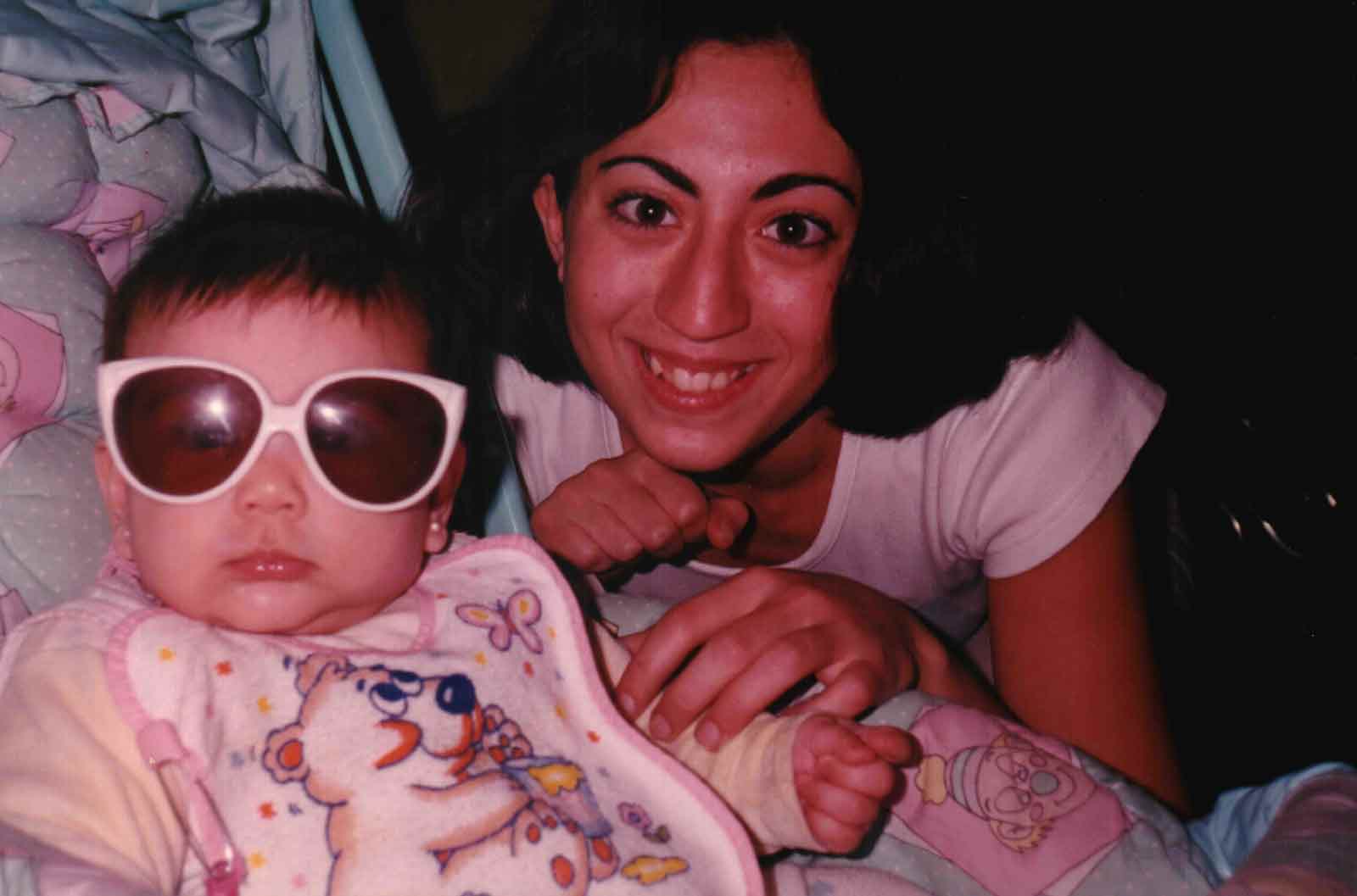
01. Primera foto de bebe en-Sari, Iran. Nacio el 28 de febrero de 1978 / First baby photo in Sari, Iran. She was born on February 28, 1978.
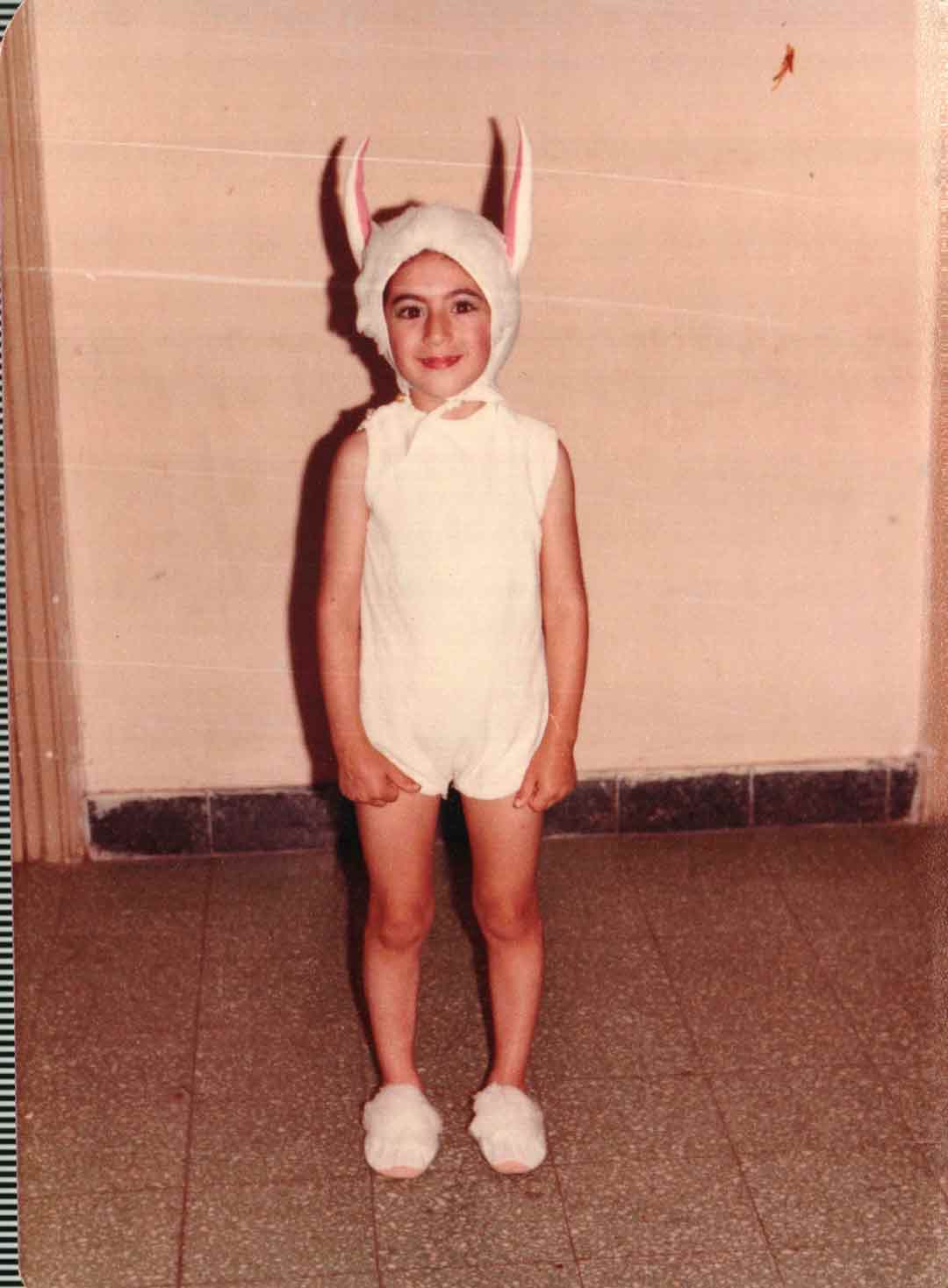
02. En la Escuela Hipólito Yrigoyen, de coneja en dia de disfraz / At Hipólito Yrigoyen School, dressed as a bunny on costume day.
03. Visitando San Luis junto a su Prima Nuri / Visiting San Luis together with her cousin Nuri.
04. En campamento en etapa del Instituto o secundario / At camp during her time at the Institute or high school.
05. En su juventud de visita a los lugares Sagrados de la Fe Bahá’í Haifa, Israel / In her youth, visiting the Holy Places of the Bahá’í Faith in Haifa, Israel.
06. De visita a la familia paterna en Paises Bajos / Visiting her paternal family in the Netherlands.
07. En 1997 de tiempo de Servicio voluntario en Montero, Santa Cruz, Bolivia / In 1997, during a time of voluntary service in Montero, Santa Cruz, Bolivia.
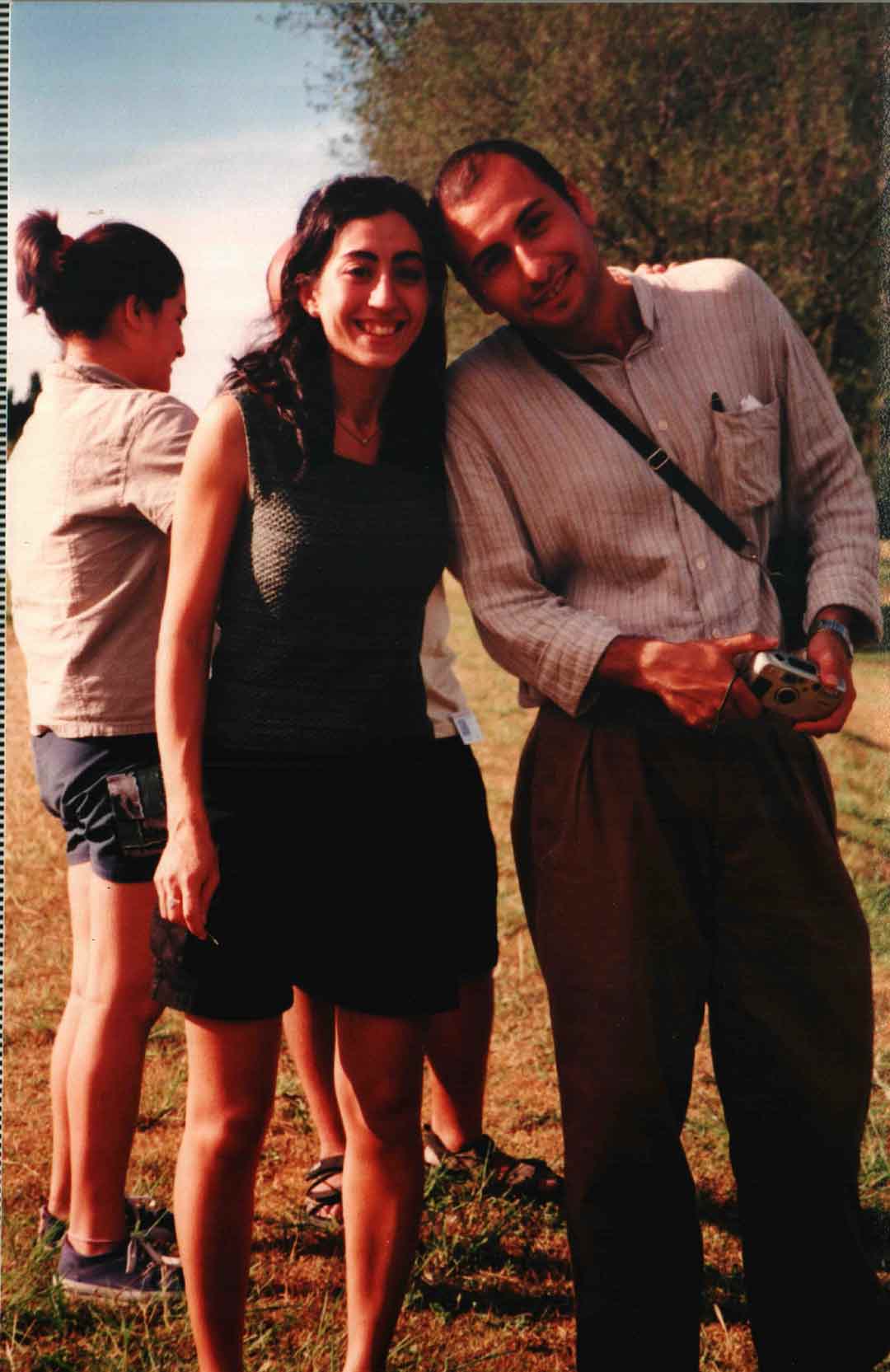
08. En 2000 cuando se han conocido personalmente, Ascochinga, Argentina / In 2000, when they met in person for the first time, in Ascochinga, Argentina.
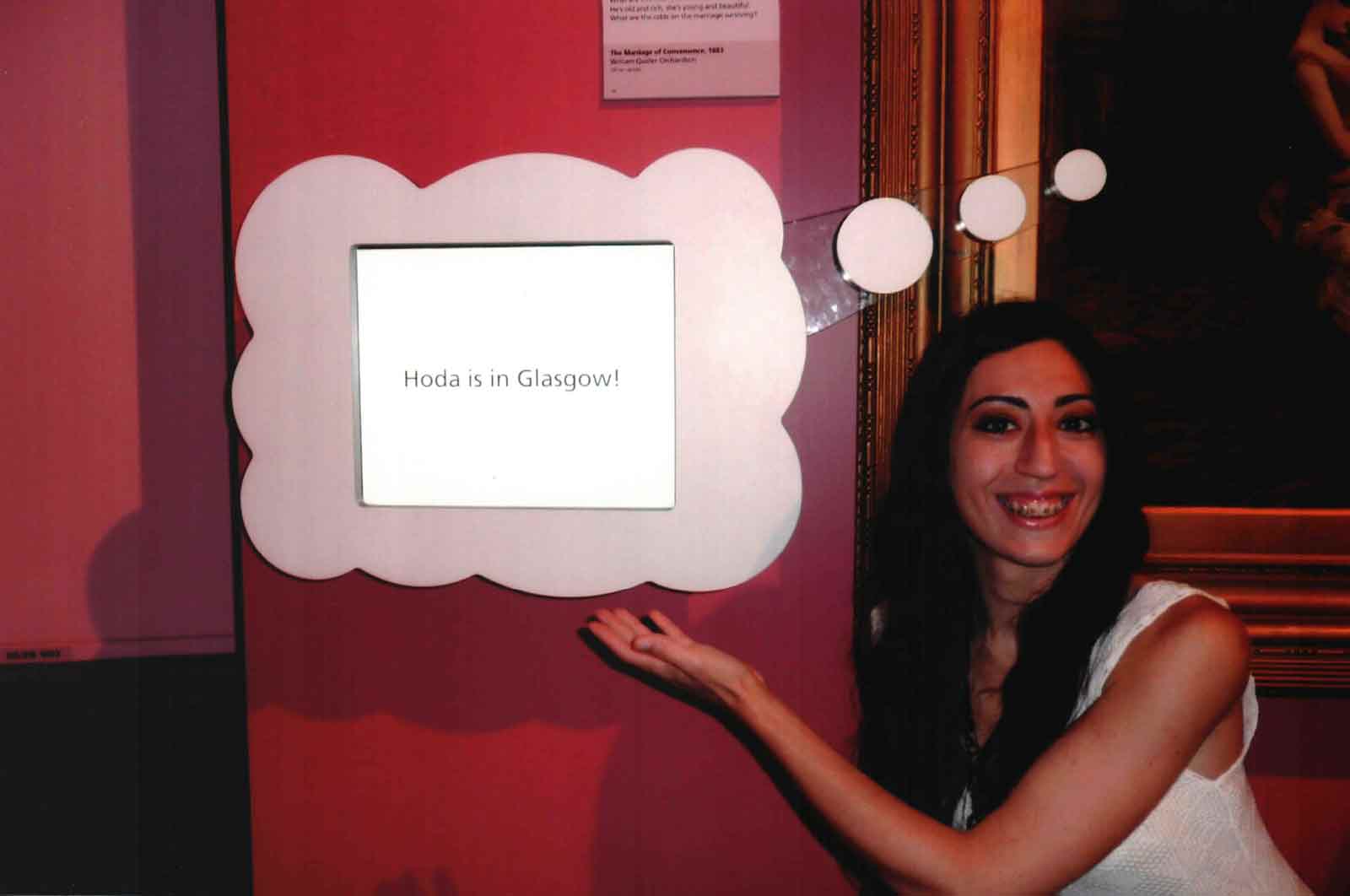
09. En 2008 visitando a sus primos de Escocia visitando museos de Glasgow / In 2008, visiting her cousins in Scotland and exploring museums in Glasgow.
10. El 18 de diciembre de 2009 en Valle del Sol, Mendoza se realizo la ceremonia Bahá’í y fiesta de matrimonio / On December 18, 2009, the Bahá’í wedding ceremony and celebration took place in Valle del Sol, Mendoza.
11. El 27 de marzo de 2017 nace Drazen Tahzib en Calella / On March 27, 2017, Drazen Tahzib was born in Calella.
12. En 2018 visitando el interior de la Sagrada Familia, Barcelona / In 2018, visiting the interior of the Sagrada Família in Barcelona.
13. Hoda junto a Drazen con 5 años. Mirada de complicidad / Hoda with Drazen at age 5. A look of complicity between them.
14. Yendo a Barcelona en 2023 para la Caminata Rosa contra el cancer de mama / Going to Barcelona in 2023 for the Pink Walk against breast cancer.
15. 2023 paseando por Pineda de Mar, visitando la Hermana y la playa / 2023: Strolling through Pineda de Mar, visiting the sister and the beach.
16. En agosto de 2024 de paseo por Tordera, Barcelona / In August 2024, walking through Tordera, Barcelona
keyboard_arrow_up